
I’ve spent more than a decade working as a licensed professional counselor in southern Colorado, and for the past several years, a good portion of my work has focused on counseling services in Pueblo West, CO. It’s a community with its own rhythm—more spread out than Pueblo proper, quieter in some ways, but carrying very real emotional weight behind closed doors. People here don’t always seek counseling lightly. By the time someone sits across from me in the therapy room, they’ve usually tried to handle things on their own for a long time.
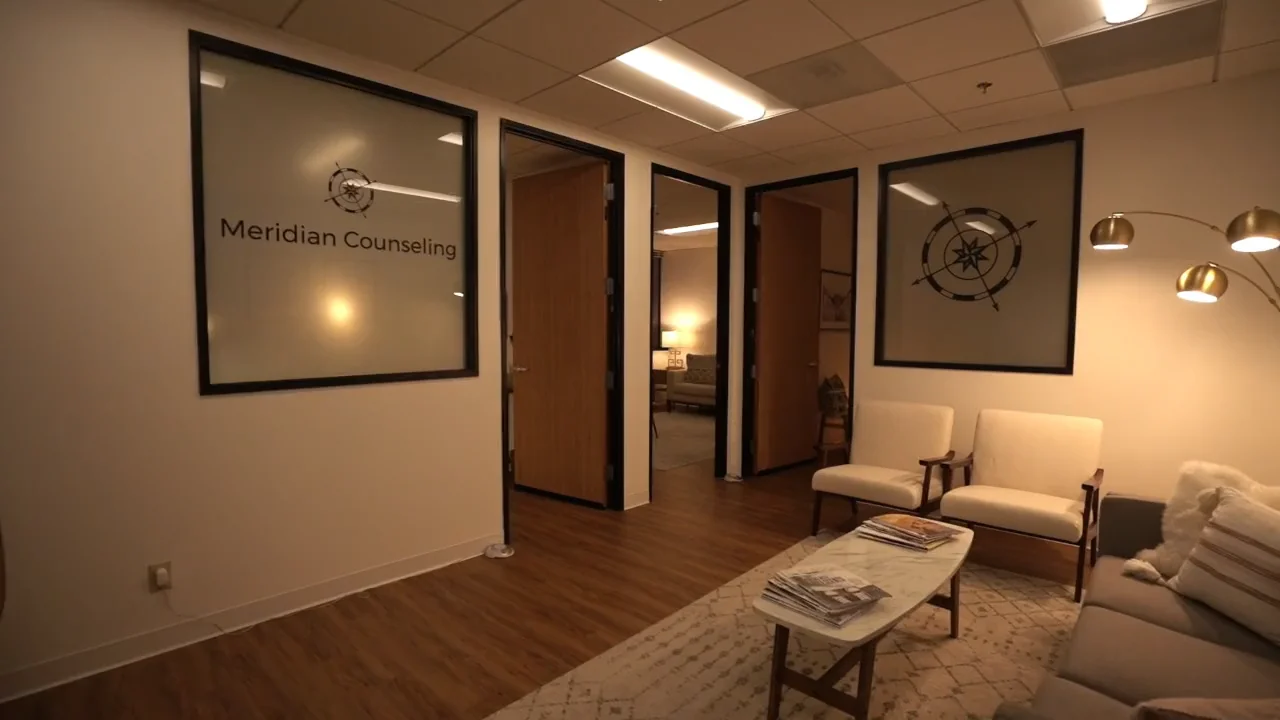
One of the first Pueblo West clients I worked with was a middle-aged man who had recently retired earlier than planned. On paper, things looked fine. Stable home, supportive spouse, no obvious crisis. What didn’t show on paper was the loss of identity he felt after decades of routine disappeared overnight. He wasn’t “depressed” in the way people often imagine, but he was stuck—short-tempered, restless, and quietly ashamed that retirement hadn’t brought relief. That experience shaped how I approach counseling here. The issues are often subtle, layered, and easy to minimize if you’re not paying attention.
What Counseling Actually Looks Like in Pueblo West
Counseling services in Pueblo West tend to be practical by necessity. Many clients commute, juggle family responsibilities, or work schedules that don’t allow for long, open-ended treatment plans. I’ve learned quickly that therapy here works best when it respects real-life constraints.
I remember working with a parent who could only attend sessions every other week because of rotating shifts and childcare challenges. We focused less on abstract self-exploration and more on stabilizing daily stressors—sleep routines, communication with their partner, and realistic boundaries with extended family. Over time, those small, grounded changes created momentum. Progress didn’t come from grand insights; it came from consistency and relevance.
This is something people often misunderstand about counseling. They expect immediate emotional breakthroughs or dramatic relief. In my experience, effective counseling in Pueblo West often feels quieter than that. It’s the slow rebuilding of internal steadiness that allows people to function better in their actual lives.
Common Reasons People Seek Counseling Here
While every client’s story is different, certain themes come up repeatedly in Pueblo West. Relationship strain is a big one—especially long-term relationships under pressure from financial stress, health changes, or shifting roles within a family. Anxiety shows up frequently too, though it’s often framed as irritability, trouble sleeping, or constant mental replaying rather than panic attacks.
I’ve also seen an increase in clients dealing with unresolved grief. Sometimes it’s tied to the loss of a loved one, but just as often it’s grief for a life that didn’t turn out as expected. One client described it as “mourning a version of myself I never got to be.” That kind of grief doesn’t always have a clear outlet, which is why it tends to surface years later.
Mistakes I See People Make When Choosing Counseling
One common mistake is waiting until things feel unbearable. I understand why—it’s hard to prioritize mental health when you’re managing work, family, and finances—but earlier intervention usually leads to better outcomes. By the time someone feels desperate, patterns are more entrenched and harder to shift.
Another mistake is assuming all counseling is the same. Pueblo West has access to therapists with very different approaches, and not every style fits every person. I’ve worked with clients who previously dropped out of therapy because it felt too passive or too clinical. Once we adjusted the approach—more structured sessions, clearer goals, or a stronger focus on skill-building—they engaged more fully and started seeing results.
I also caution people against staying in therapy that doesn’t feel productive out of politeness. A good therapeutic relationship matters, but so does progress. If months go by with no clarity about what you’re working toward, that’s worth addressing directly.
How Progress Really Happens
One experience that stands out involved a client dealing with chronic anxiety that flared up during long stretches of isolation. Pueblo West’s physical space—wide roads, larger lots, fewer spontaneous interactions—can be calming for some people, but it can quietly amplify anxiety for others. In sessions, we didn’t try to eliminate anxiety altogether. Instead, we worked on recognizing early signals and responding before it escalated.
Over time, that client learned to catch subtle physical cues—tight shoulders, shallow breathing—and intervene early. The change wasn’t dramatic from the outside, but internally it was transformative. They stopped feeling blindsided by their own emotions.
This is what meaningful counseling often looks like. It’s less about fixing something that’s “broken” and more about learning how to respond to yourself with awareness instead of judgment.
What to Expect From Counseling Services in Pueblo West
If you’re considering counseling here, expect a process that respects your pace. In my practice, and in many others locally, sessions are collaborative rather than prescriptive. You’re not being evaluated or corrected; you’re being supported in understanding patterns that may no longer serve you.
You should also expect some discomfort. Not because therapy is supposed to be painful, but because change requires honesty. I’ve had clients realize mid-session that a long-held coping strategy—working nonstop, avoiding conflict, staying emotionally distant—once kept them safe but now keeps them stuck. That realization can be unsettling, but it’s often where growth begins.
A Final Thought
Counseling services in Pueblo West aren’t about importing big-city therapy models into a smaller community. They work best when they’re grounded, flexible, and attuned to the realities of life here. In my experience, people don’t come to counseling because they’re weak or failing. They come because they’re tired of carrying everything alone.
And when counseling works, it doesn’t announce itself loudly. It shows up in quieter mornings, steadier conversations, and a growing sense that you’re no longer fighting yourself just to get through the day.